




 A Beautiful Mind2001 · ★ 7.9
Welcome to FliXanity
Love stories for every kind of evening
FliXanity: romantic movies for every kind of evening, from It Happened One Night, Roman Holiday and Notting Hill to The Holiday, Crazy Rich Asians and Past Lives, and where to watch them
172 love stories from 1934 to 2026, each with its cast, its director and a Watch now button.
Browse all ›Top rated ›Trending nowSee all (172)




Romantic comediesSee all (124)
 The Kissing Booth 22020 · ★ 7.6
 High School Musical2006 · ★ 6.5
 Breakfast at Tiffany's1961 · ★ 7.6
 What Women Want2000 · ★ 6.5
 The Fall Guy2024 · ★ 6.9
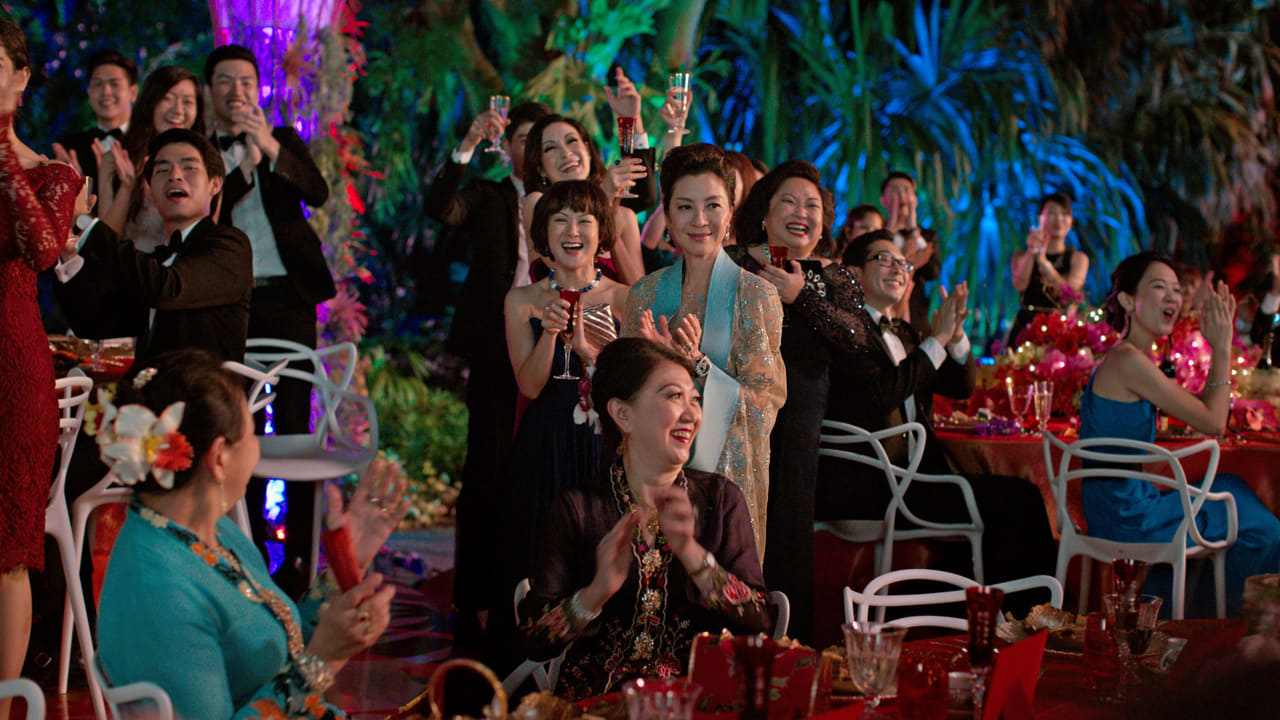 Crazy Rich Asians2018 · ★ 7.0
 Mamma Mia! Here We Go Again2018 · ★ 7.1
 Singin' in the Rain1952 · ★ 8.1
 27 Dresses2008 · ★ 6.5
 The Princess Diaries 2: Royal Engagement2004 · ★ 6.7
ClassicsSee all (20)




WeddingsSee all (22)



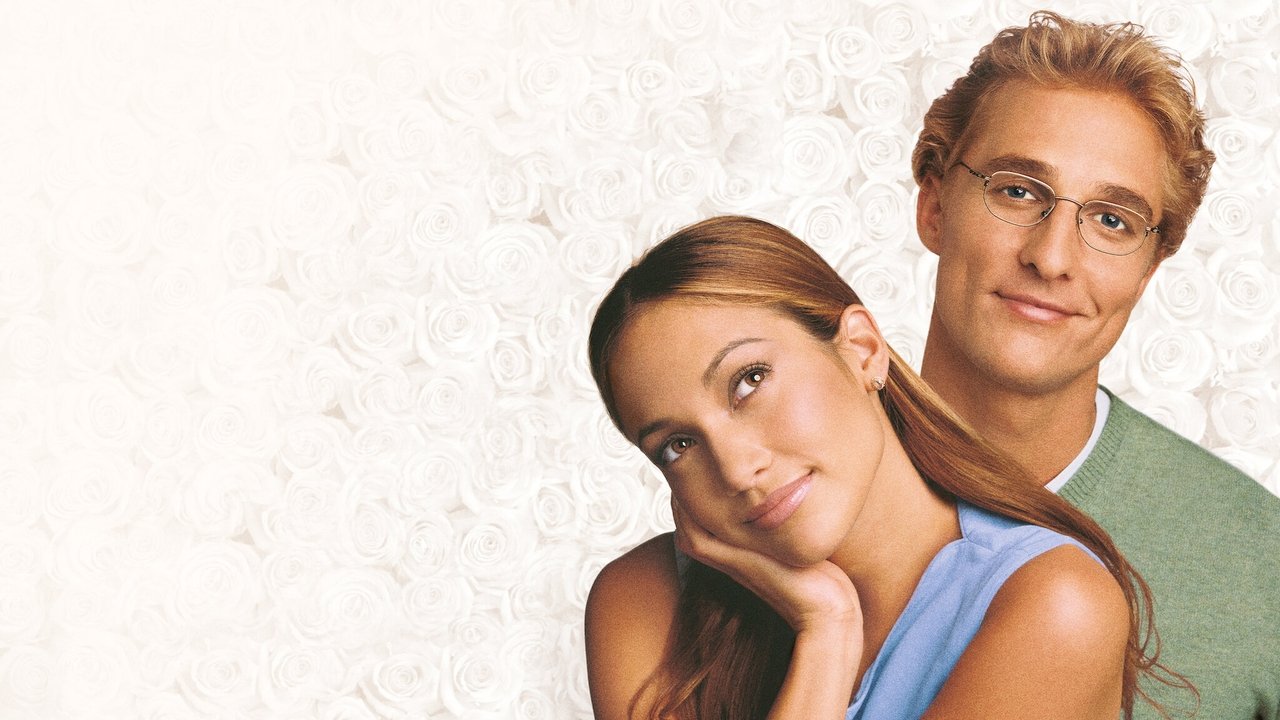
First lovesSee all (26)


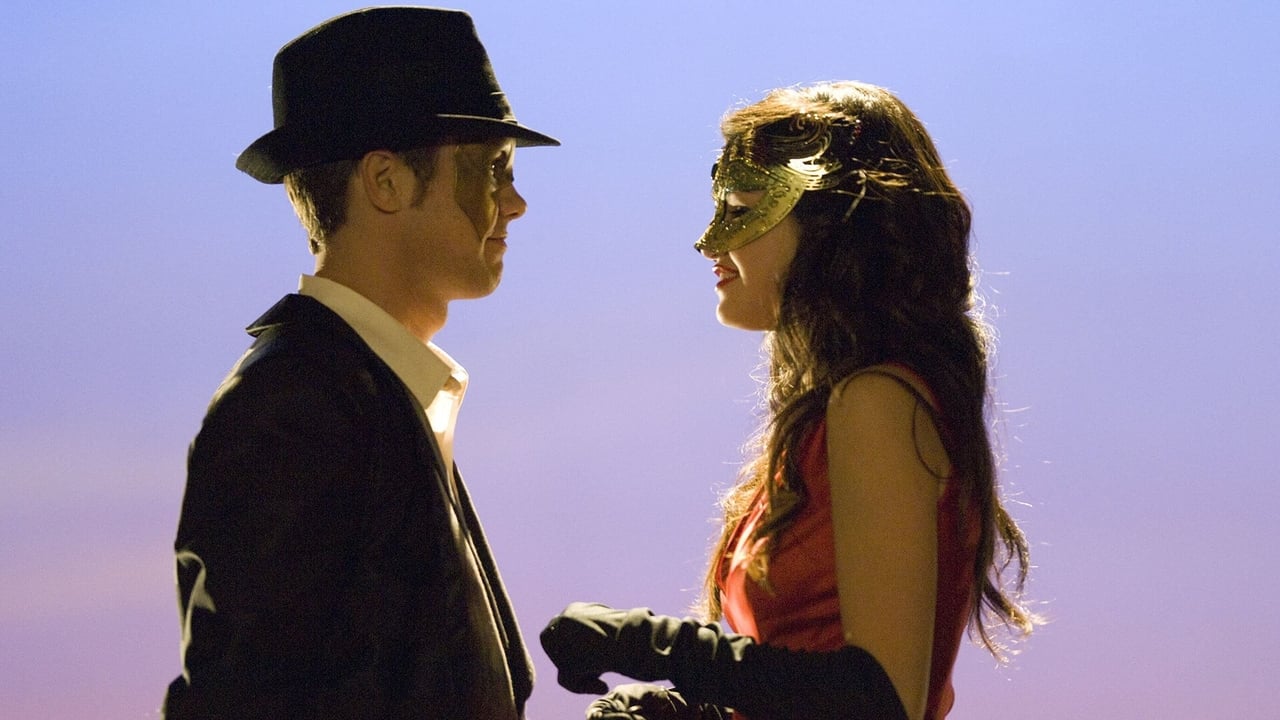


ChristmasSee all (15)


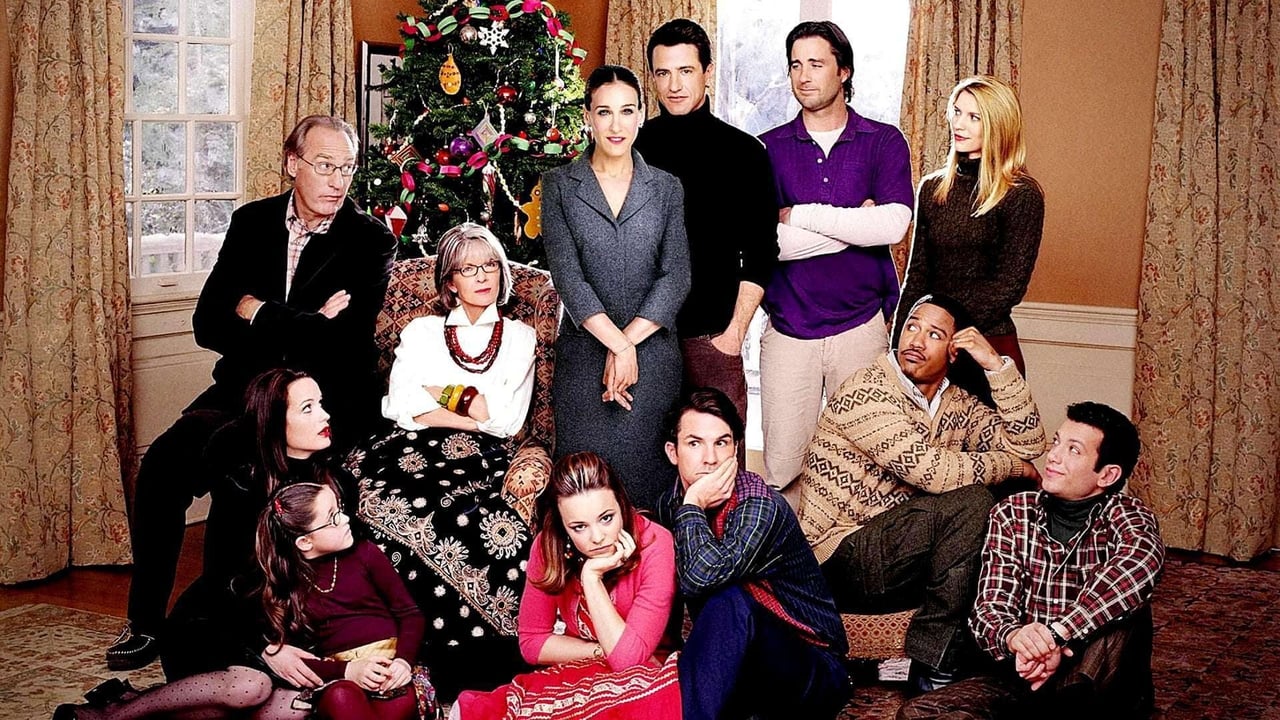


Music and danceSee all (22)


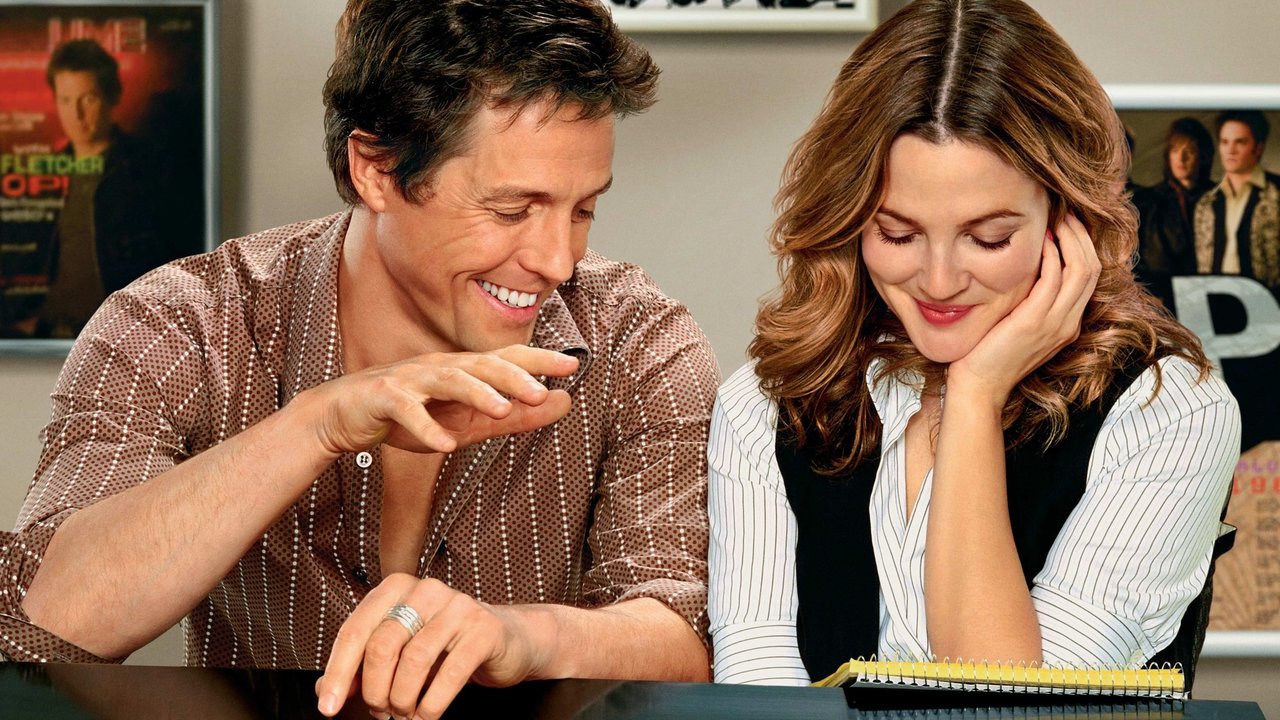


Top ratedSee all (54)



The FliXanity guide to romantic movies
FliXanity: romantic movies for every kind of evening, from It Happened One Night, Roman Holiday and Notting Hill to The Holiday, Crazy Rich Asians and Past Lives
The love story is the oldest plot there is, and cinema has told it in every key: as farce, as fairy tale, as musical, as a long conversation on a night train. FliXanity is a guide to 172 of the best-liked romantic films, made between 1934 and 2026 by 147 directors and running to 305 hours. It is arranged for a viewer who knows the mood but has yet to choose the film. Every title has a page with its cast, its director, a short summary, its rating and a button that leads to the official services where it can be watched.
The catalogue covers the whole range of the genre. A hundred and twenty-four films are romantic comedies and ninety-three are romantic dramas, with a good many counted as both. Thirty-four began as books. Twenty-six are stories of first love, twenty-two turn on a wedding, twenty-two are carried by music or dance and fifteen belong to Christmas. Twenty are classics made before 1990, seventeen come from the 1990s, fifty-one from the 2000s, fifty-seven from the 2010s and twenty-seven from the 2020s. Fifty-four hold an audience rating of seven or higher.
The Watch now button opens JustWatch for the country you choose and shows the subscription, rental, purchase and free services that carry the film there. FliXanity itself is a guide: it describes, sorts and points the way. The how to watch page explains the steps in a few lines.
Why the love story lasts
Every romance asks the same question, whether two people will end up together, and nearly every viewer knows the answer before the titles finish. The pleasure is in the delay. A good romantic film invents a reason for its couple to stay apart, a misunderstanding, a rival, a difference of class or country or temperament, and then spends ninety minutes removing it. What changes from decade to decade is the obstacle. What stays the same is the satisfaction when it falls.
The genre is also cinema's great showcase for charm. A thriller can survive a dull hero; a romance depends entirely on its couple. That is why the films on this guide read like a history of screen stars, from Clark Gable and Claudette Colbert through Audrey Hepburn and Cary Grant to Julia Roberts, Hugh Grant, Sandra Bullock and the young actors of the streaming age. Watching two gifted people pretend to fall in love is one of the purest pleasures film can offer.
And romance is the most sociable of genres. It is watched by couples, by friends on a sofa, by mothers and daughters, and alone with a blanket on a wet Sunday. FliXanity is laid out with those occasions in mind, in rows that slide sideways under plain headings. The date night page offers a few suggestions for two, and the finding titles page lists every route into the catalogue.
The classics
Twenty films were made before 1990, and they are where the rules were written. It Happened One Night, from 1934, is the oldest film on the site and the model for everything that followed. A spoiled heiress runs away from her father and meets a newspaperman on a night bus; they quarrel across several states and share a motel room divided by a blanket on a rope. It won all five of the major Academy Awards, and every romantic comedy about opposites on a journey is in its debt.
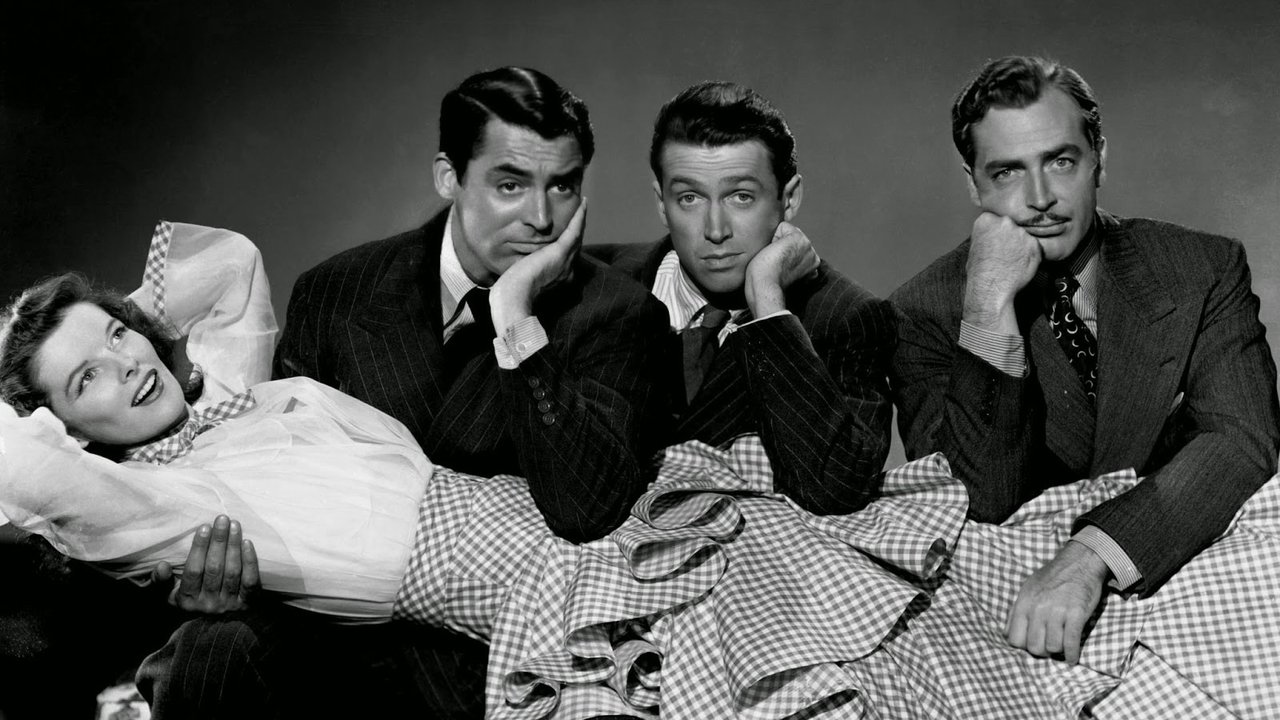
Two films of 1940 show the form at its most polished. In The Philadelphia Story, a society bride finds her former husband and a magazine reporter both under her roof on the eve of her second wedding; Katharine Hepburn, Cary Grant and James Stewart share the screen. In The Shop Around the Corner, two clerks who bicker all day in a Budapest gift shop are, unknown to each other, devoted correspondents by post. It is among the highest-rated films in the catalogue, and its idea has been borrowed many times since.
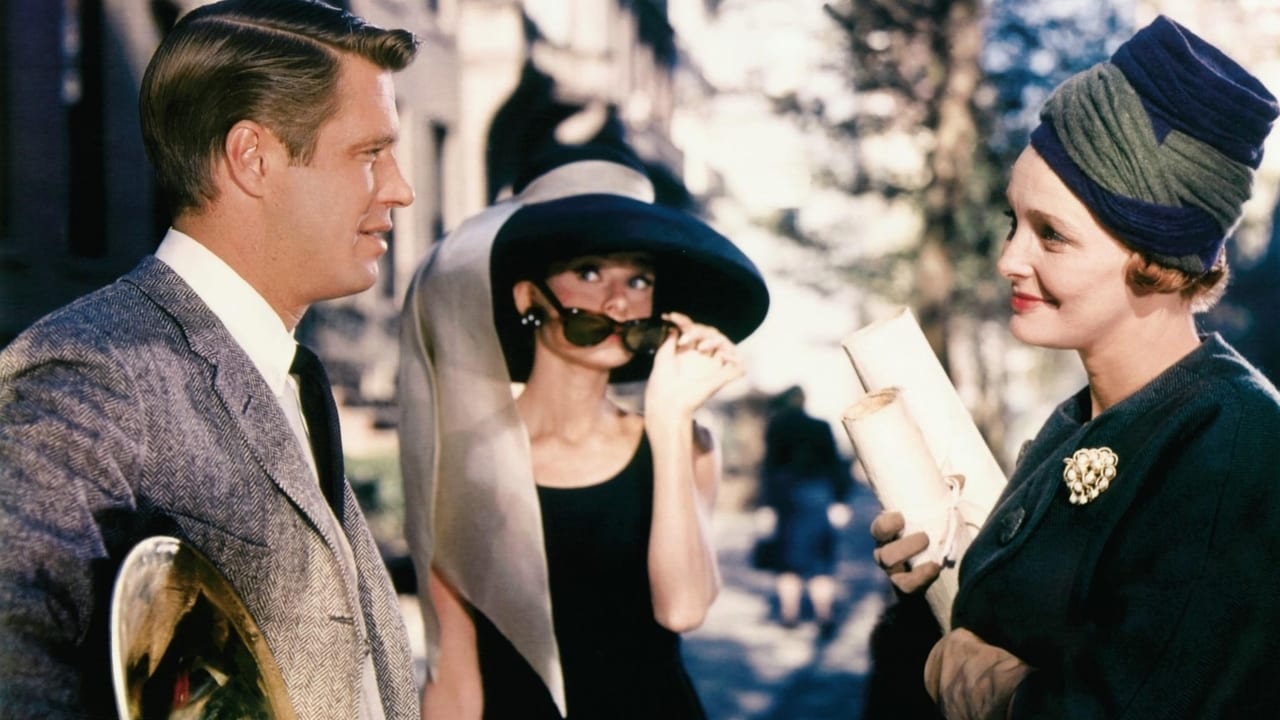
The 1950s belonged to Audrey Hepburn. Roman Holiday introduced her as a princess who slips away from her guards for one day of freedom with an American reporter, and won her the Academy Award. Funny Face sent her to Paris with Fred Astaire, Breakfast at Tiffany's placed her before a jeweller's window at dawn in 1961, and My Fair Lady made her a flower seller turned lady three years later. Singin' in the Rain, Limelight and The Red Shoes set their love stories among dancers, clowns and film stars.
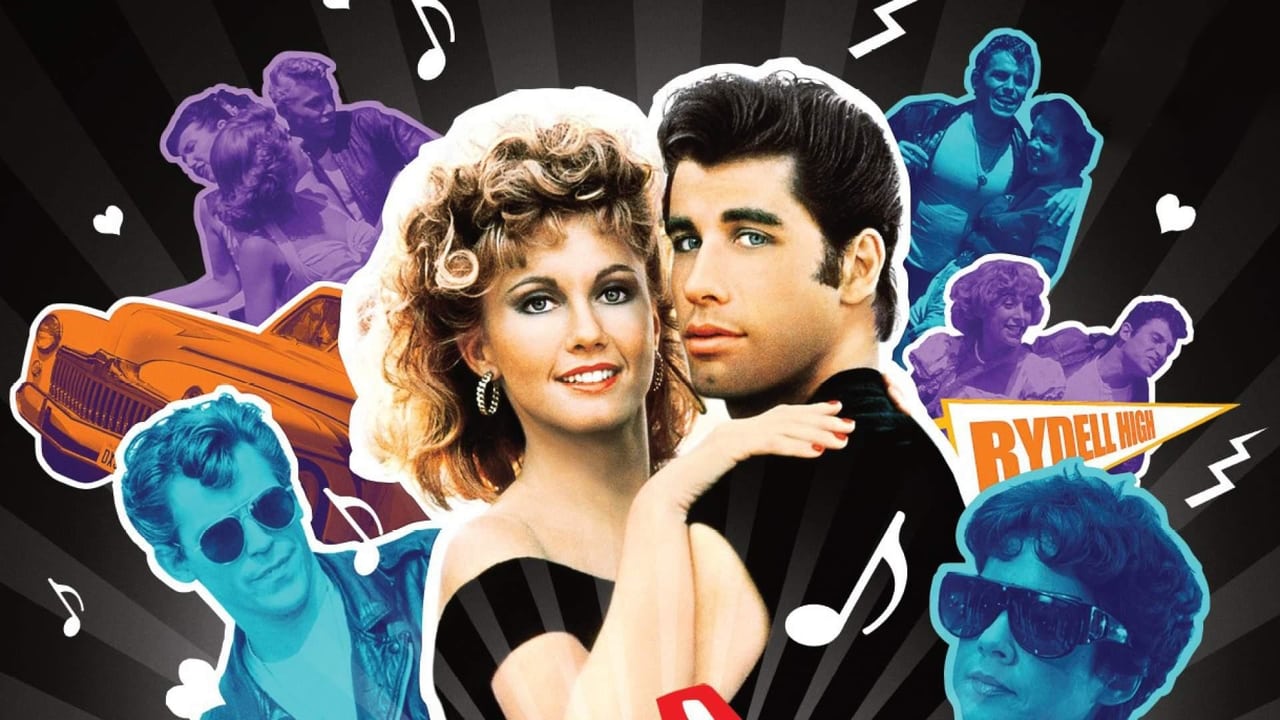
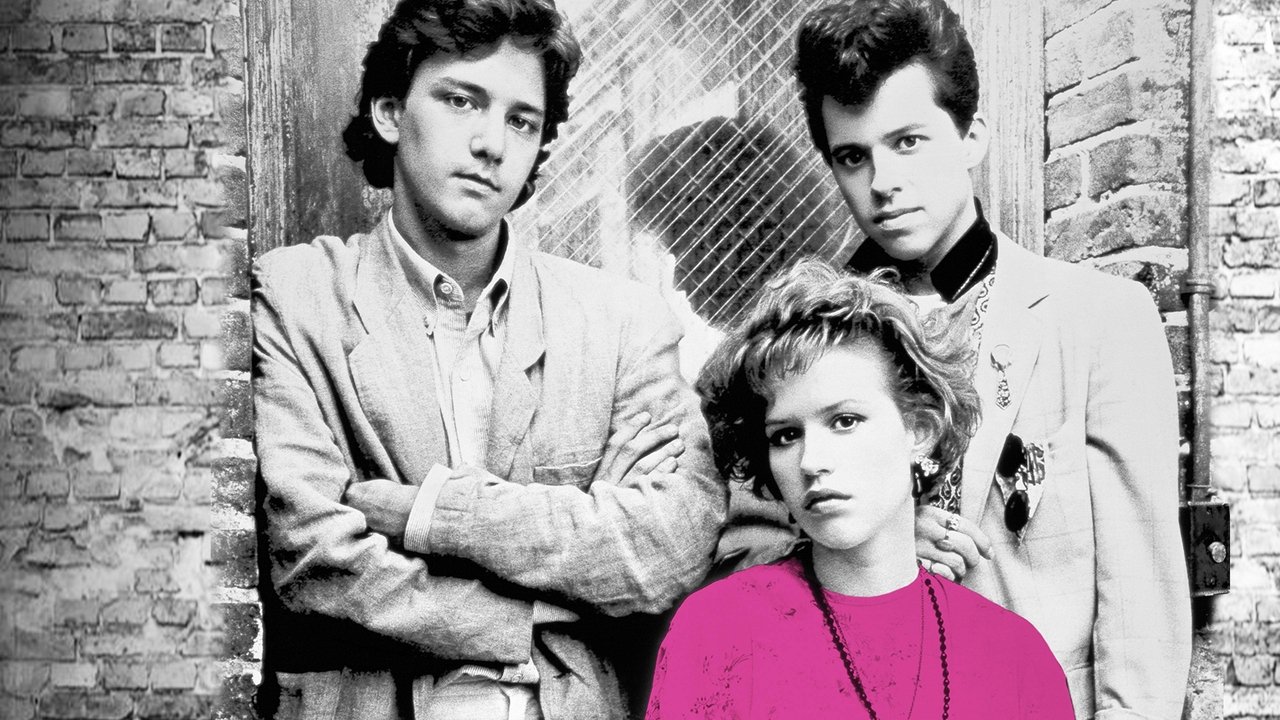
The later classics are lighter on their feet. Barefoot in the Park follows newlyweds up five flights of stairs. Grease sings its way through a school year. Somewhere in Time sends a playwright back to 1912 for love. The 1980s add a mermaid in Splash, an heiress with amnesia in Overboard, a secretary with ambition in Working Girl, and three films of teenage devotion, Pretty in Pink, Some Kind of Wonderful and Say Anything.... The classics page sets them in order, and the classics shelf holds all twenty.
The 1990s: the golden decade
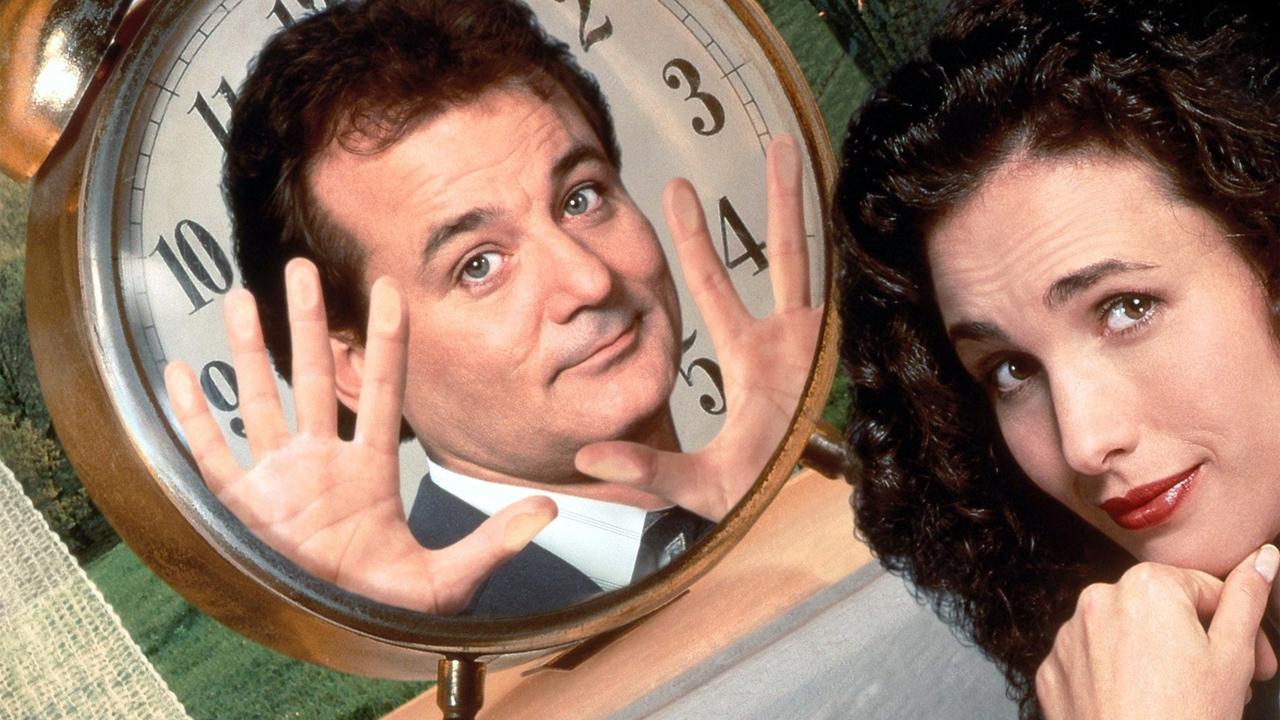
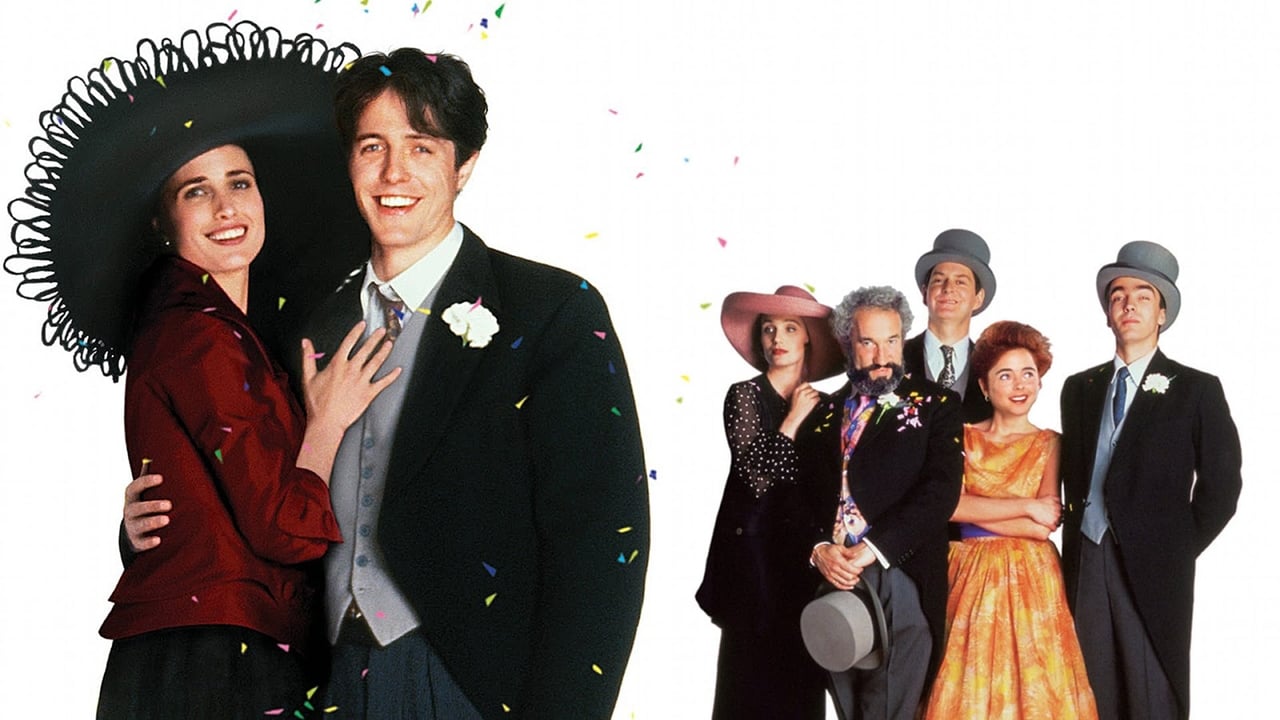
Seventeen films come from the 1990s, and admirers of the genre speak of those years with a sigh. Groundhog Day is usually filed under comedy, yet at its centre is a courtship that takes a man thousands of repeated mornings to get right. Four Weddings and a Funeral made a hesitant Englishman, played by Hugh Grant, the most sought-after romantic lead in the world, and Notting Hill cast him five years later as a bookseller whose shop is visited by the most famous actress alive. The line she speaks to him across the counter near the end is among the best known in modern film.
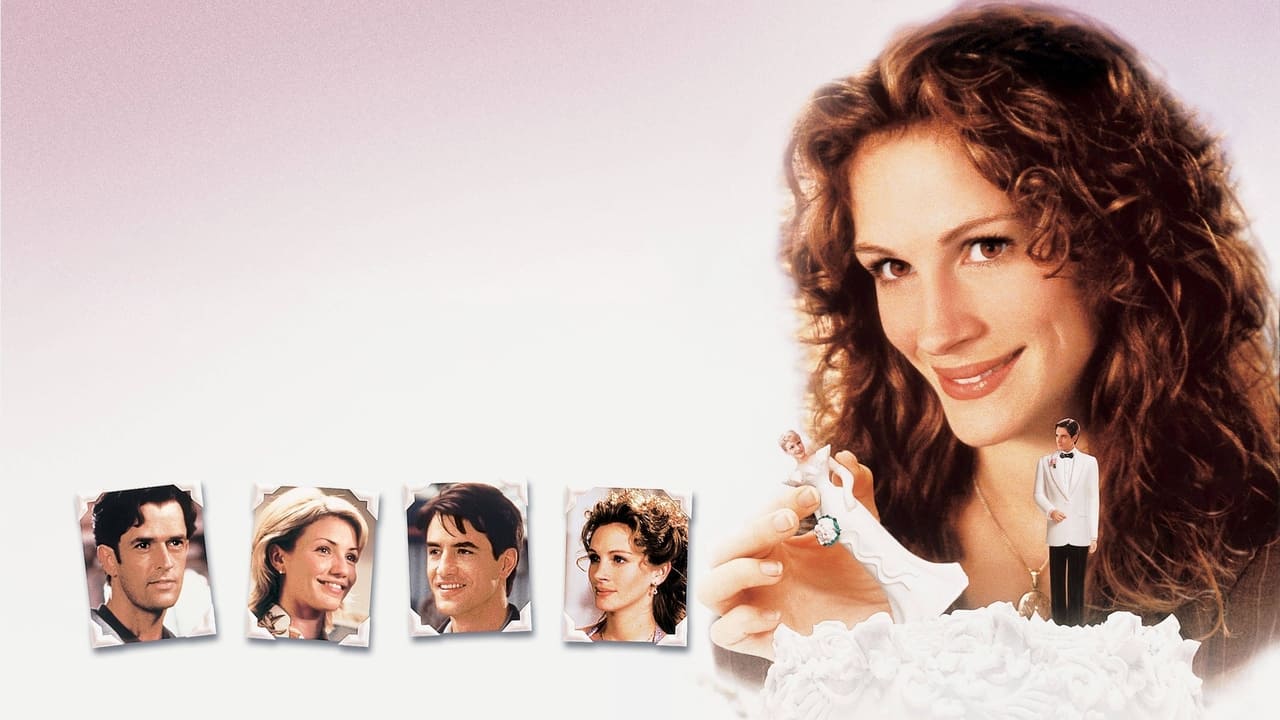
Julia Roberts, who plays that actress, has two more films from the decade here. In My Best Friend's Wedding she has four days to break up a ceremony and learns something about herself in failing. In Runaway Bride she is the woman who has left three grooms at the altar. Sandra Bullock became a star with While You Were Sleeping, as a lonely ticket clerk taken in by the family of a man she has only admired from her booth.
Before Sunrise is the decade's quiet triumph. Two strangers leave a train in Vienna and walk the city until morning, talking about everything; that is the whole film, and viewers have been falling for it since 1995. The Wedding Singer sets its love story among the big hair of 1985, One Fine Day in a single frantic day of two working parents, Green Card in a marriage of convenience that becomes real, and Doc Hollywood in a small town that kidnaps a passing surgeon with kindness. Father of the Bride, Phenomenon, Forever Young, Tin Cup and The Horse Whisperer complete a remarkable ten years. They are gathered on the 1990s shelf.
The romantic comedy
A hundred and twenty-four films are romantic comedies, and the largest group dates from the 2000s, when a new one seemed to open every fortnight. The decade had its regulars. Jennifer Lopez is the organiser who falls for a groom in The Wedding Planner, the hotel maid mistaken for a guest in Maid in Manhattan and a shop worker with an invented career in Second Act. Reese Witherspoon returns to her roots in Sweet Home Alabama and dodges her relatives in Four Christmases. Katherine Heigl is the eternal bridesmaid of 27 Dresses and the unprepared guardian of Life As We Know It.
Hitch gives Will Smith a date doctor who can coach any man but himself. The Holiday swaps two houses and two heartbreaks across the Atlantic. What Women Want lets an advertising man hear what the women around him are thinking, Serendipity leaves a meeting to fate and a five-dollar note, and Kate & Leopold brings a duke from 1876 to modern Manhattan. Failure to Launch, Just Friends, The Wedding Date, Because I Said So and Music and Lyrics are the reliable pleasures of the shelf.
The form has kept going in new clothes. Crazy Rich Asians is a classic meet-the-family comedy on a spectacular scale. Love Hard begins with an online profile that borrowed a friend's photograph. Upgraded moves an art-world assistant into first class by mistake, Your Place or Mine swaps two old friends between Los Angeles and New York, and The Fall Guy wraps its romance in a comedy about film stunts. The romantic comedies page picks a dozen to start with, and the shelf holds them all.
Weddings
Twenty-two films turn on a wedding, which is natural: a ceremony gathers every character in one place, sets a deadline and invites disaster. Four Weddings and a Funeral is the grandest of them, a romance told entirely at other people's celebrations. 27 Dresses follows a woman who has been a bridesmaid twenty-seven times, and The Wedding Date one who hires an escort to impress her family in England.
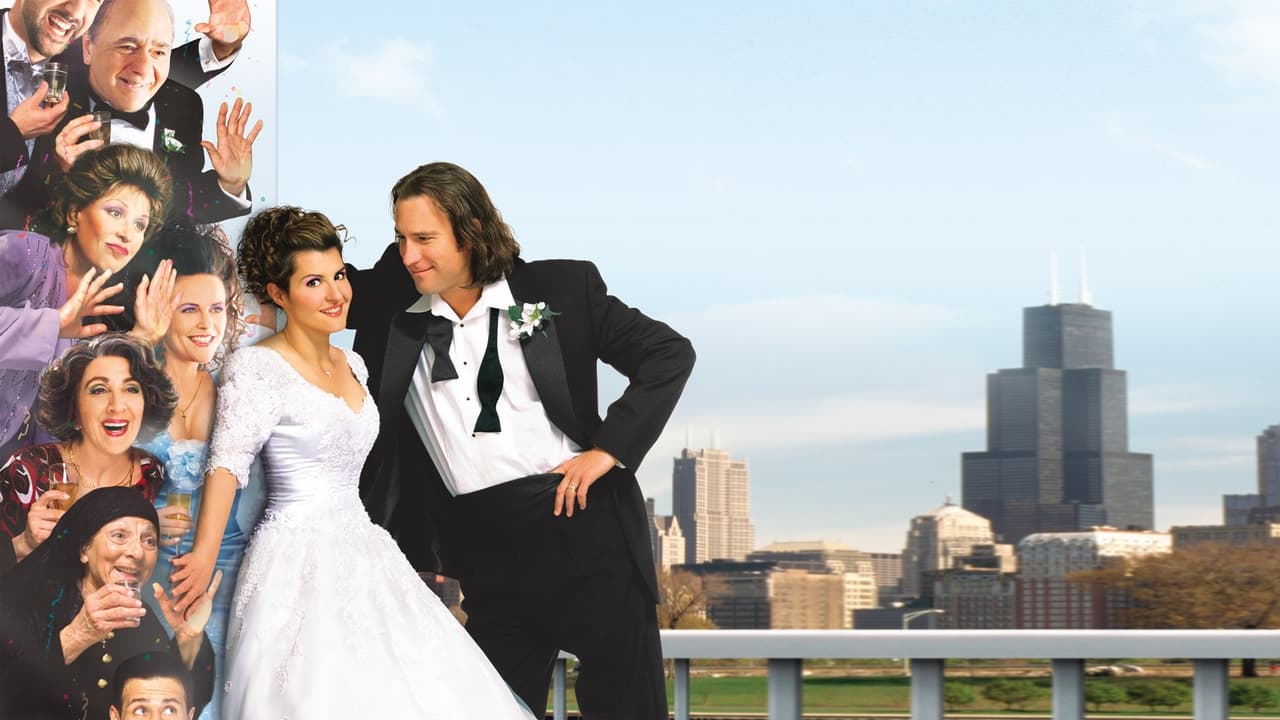
Some of the best are about families more than couples. My Big Fat Greek Wedding introduces a quiet American to a loud and loving clan, and My Big Fat Greek Wedding 2 returns to them a generation later. Father of the Bride sees the whole event through the eyes of the man paying for it. Guess Who and The Philadelphia Story, sixty-five years apart, both ask what happens when the wrong guest turns up the day before.
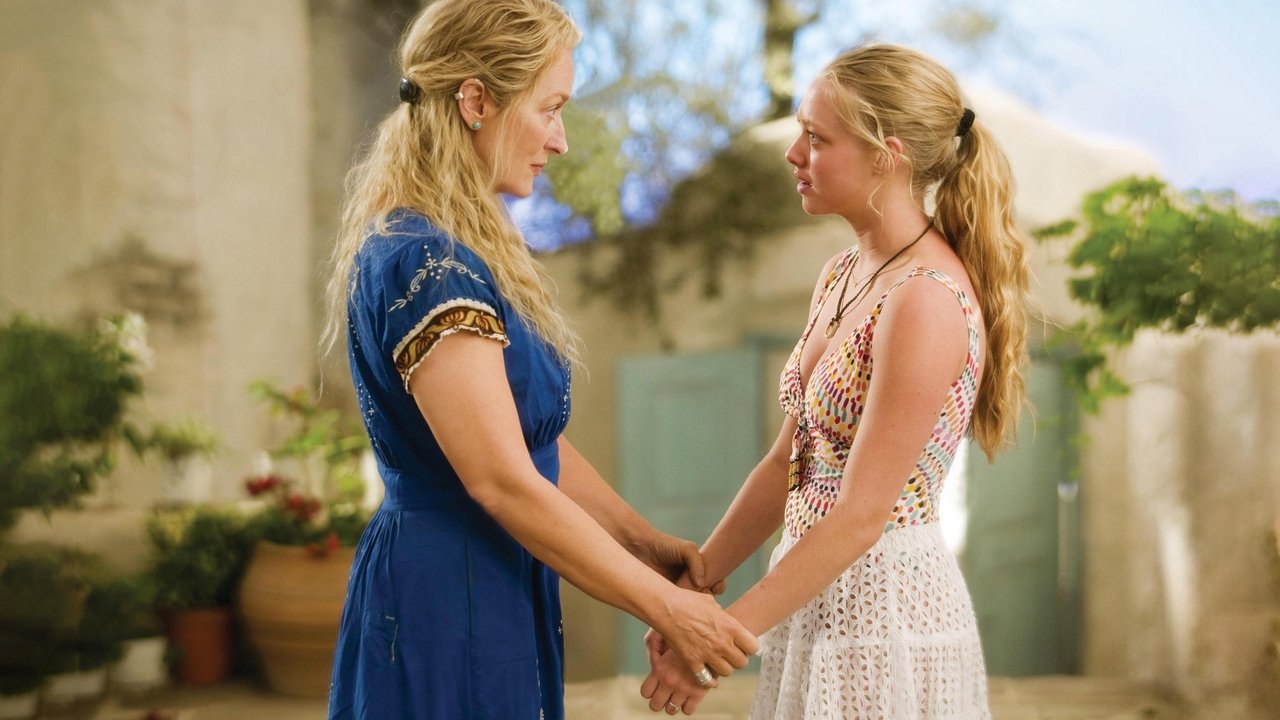
Bride Wars sets two best friends against each other over one date at one hotel. Mamma Mia! invites three possible fathers to a Greek island. Runaway Bride, You Again, When in Rome and Love Wedding Repeat each find a fresh way for the day to go wrong before it goes right. The weddings page lists the shelf.
First loves
Twenty-six films are about falling in love for the first time, and they are among the most tender on the site. The 1980s set the tone. Pretty in Pink follows a girl from the wrong side of town to a prom, and Some Kind of Wonderful tells a similar story from the boy's side, with the right answer standing beside him all along. Say Anything... is about a boy with few plans beyond devotion and the clever girl who is about to leave for England.
Streaming gave the form a new life. In To All the Boys I've Loved Before, five letters that were meant to stay in a hatbox are posted to the boys they describe, and the heroine has to live with the results across three films. The Kissing Booth and its sequels, The Perfect Date, Tall Girl and A Cinderella Story with its two successors belong to the same bright world of lockers, dances and text messages.
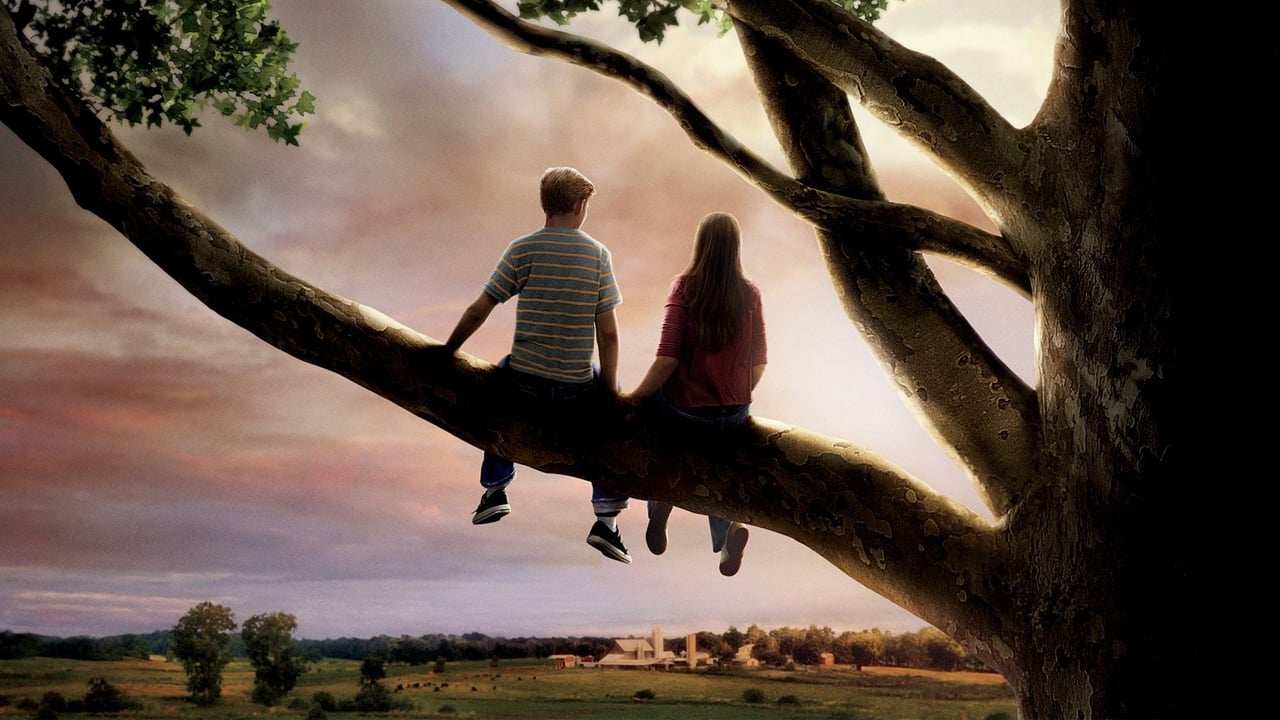
The gentlest of the group look back. Flipped tells the same early romance twice, once in her voice and once in his, across a street in the early 1960s. Little Manhattan is about a boy of ten and the girl in his karate class, taken entirely seriously. Sing Street has a Dublin schoolboy start a band to win a girl, and Stargirl, Chemical Hearts and Everything, Everything treat teenage feeling with respect. The first loves page has the full list.
Romantic dramas
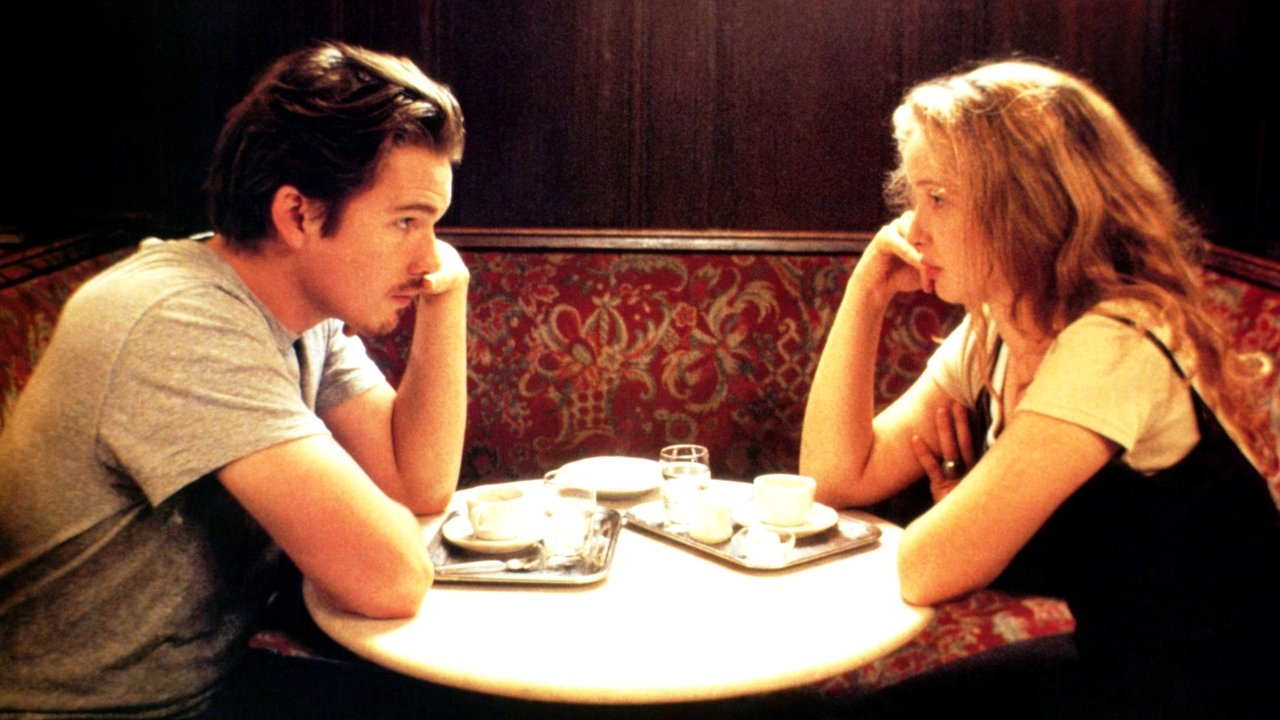
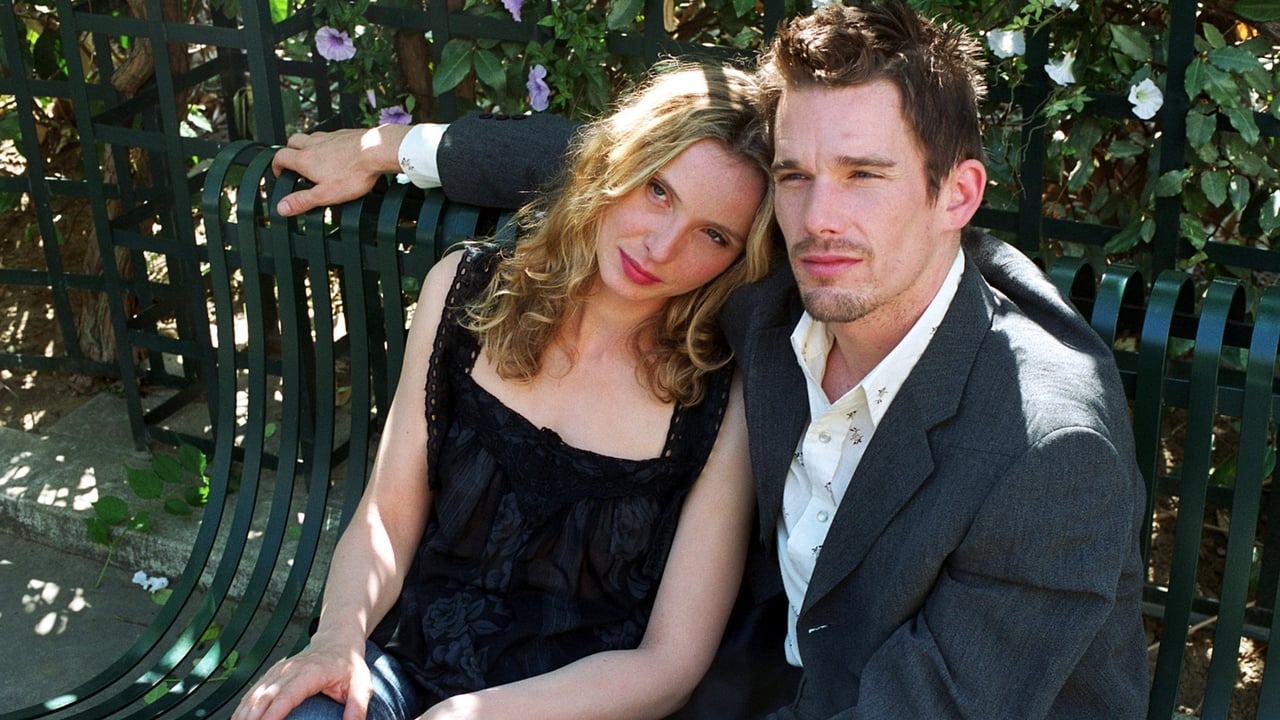
Ninety-three films take love more seriously. The finest are built on conversation. Before Sunrise and Before Sunset follow the same couple nine years apart, in Vienna and then in Paris, and Past Lives follows two childhood friends from Seoul who meet again as adults in New York. In all three the drama is in what is said and, sometimes, in what is held back, and their endings are discussed long after the screen goes dark.
Time is the great subject of the romantic drama. One Day returns to its pair on the same July date for twenty years. The Best of Me and The Longest Ride, from novels by Nicholas Sparks, set young love beside old. Somewhere in Time, Forever Young and Frequently Asked Questions About Time Travel bend the calendar itself, and In Your Eyes links two strangers across a continent.
Some love stories are part of a larger life. A Beautiful Mind is the biography of a mathematician and also the story of the marriage that carried him. CODA gives its young singer a duet partner as well as a family. Far from the Madding Crowd offers its heroine three suitors and a farm to run. Maudie, The Young Victoria, Radioactive and Miss Potter are drawn from real lives, and Water for Elephants and Nights in Rodanthe are for an evening that calls for a handkerchief. The romantic dramas page groups them by theme.
Christmas romances
Fifteen films set their love stories in December. The oldest, The Shop Around the Corner, ends on Christmas Eve with snow in the street and a shop window full of presents. While You Were Sleeping gives a solitary woman a family for the holidays, and The Holiday sends two strangers to each other's houses for a fortnight of snow in Surrey and sunshine in Los Angeles.
Recent years have added a small industry of seasonal romances. A Christmas Prince: The Royal Wedding and A Christmas Prince: The Royal Baby return to a snowy kingdom. The Knight Before Christmas brings a medieval knight to Ohio, Falling for Christmas gives an heiress amnesia at a ski lodge, Christmas Inheritance sends another to her father's home town, and Our Little Secret puts two exes under one roof. Love Hard, Just Friends, Four Christmases and The Family Stone are for viewers who like a little chaos with their mistletoe. The Christmas romances page puts all fifteen in order.
Music and dance
Twenty-two love stories are sung or danced. Singin' in the Rain is as much a romance as a comedy: its most famous number is simply a man too happy to mind the weather. Funny Face and My Fair Lady pair Audrey Hepburn with Fred Astaire and Rex Harrison. Grease has the best-known school romance in cinema, and Mamma Mia! and Mamma Mia! Here We Go Again set two generations of love stories to the songs of ABBA.
The Red Shoes is the darkest and most beautiful of the group, a ballerina torn between her art and her heart. Sing Street and Music and Lyrics are about writing songs for someone. The Wedding Singer is about singing them for strangers. High School Musical, Footloose, In the Heights, Step Up 3D and High Strung keep the shelf on its feet. The music and dance page suggests where to begin.
From books
Thirty-four romances began on the page. Jane Austen supplies Persuasion, in a playful modern voice, and Love & Friendship, from one of her early comic stories. Thomas Hardy wrote Far from the Madding Crowd and Truman Capote the short novel behind Breakfast at Tiffany's. My Fair Lady comes from a play by Bernard Shaw by way of the stage musical.
Modern bestsellers account for many of the rest: One Day, Crazy Rich Asians, Water for Elephants, The Longest Ride, Can You Keep a Secret? and About a Boy. Novels for younger readers lie behind To All the Boys I've Loved Before, Everything, Everything, The Sun Is Also a Star, Stargirl and The Sisterhood of the Traveling Pants. The from books page groups them by kind.
Romance abroad
Love stories have always liked to travel, and a good many films on the site double as holidays. Italy is the favourite destination. Roman Holiday was filmed entirely in Rome, on its steps and squares and beside its river, and has sent visitors to the Mouth of Truth ever since. When in Rome borrows coins from a fountain of love, and Eat Pray Love spends a season eating its way through the city before moving on to India and Bali.
Britain has Notting Hill, with its market street and its blue door, the Surrey cottage of The Holiday, the London night of Man Up and the tennis lawns of Wimbledon. Ireland has the Dublin of Sing Street, and Chalet Girl spends a winter in the Alps. Paris is the playground of Funny Face and the setting of Before Sunset, and Vienna belongs for ever to Before Sunrise.
Further afield, Crazy Rich Asians shows Singapore at its most dazzling, Mamma Mia! a Greek island in high summer, Falling Inn Love the green hills of New Zealand, A Perfect Pairing an Australian sheep station and Holiday in the Wild an elephant sanctuary in Zambia. Monte Carlo takes three friends to the Riviera by mistake. The romance abroad page sorts them by country.
Love after forty
Romance on film is often assumed to belong to the young, and some of the best titles here prove otherwise. Enough Said is about two divorced parents, both a little wary, who find they enjoy each other's company; Julia Louis-Dreyfus and James Gandolfini play it with great warmth. Hope Springs sends a couple married for thirty-one years to a week of counselling, and treats their awkwardness with respect. Home Again gives a woman of forty a new start in Los Angeles.
Up in the Air follows a man who has avoided attachment for a career and begins to wonder why. Morning Glory, Larry Crowne, The Rewrite and In Good Company set their love stories at work, among people with jobs to keep and histories behind them. Nights in Rodanthe brings two strangers to a storm-bound inn on the Carolina coast. The love after forty page gathers them, and they make a fine antidote to the notion that the genre ends at the altar.
Screen couples to follow
A romance lives or dies by its pairing, and certain partnerships recur across the catalogue. Julia Roberts and Hugh Grant in Notting Hill are the modern standard. Roberts and Richard Gere are reunited in Runaway Bride. Hugh Grant returns with Andie MacDowell in Four Weddings and a Funeral and with Drew Barrymore in Music and Lyrics, and Sandra Bullock, Reese Witherspoon, Jennifer Lopez and Kate Hudson each lead several films.
The classics have their own royalty. Cary Grant and Katharine Hepburn spar in The Philadelphia Story. James Stewart and Margaret Sullavan exchange letters in The Shop Around the Corner. Clark Gable and Claudette Colbert share a bus in It Happened One Night, Gregory Peck and Audrey Hepburn a scooter in Roman Holiday, and Gene Kelly and Debbie Reynolds a sound stage in Singin' in the Rain.
The newest generation is represented by Lana Condor and Noah Centineo of To All the Boys I've Loved Before, Constance Wu and Henry Golding of Crazy Rich Asians, and Greta Lee and Teo Yoo of Past Lives. Ethan Hawke and Julie Delpy, who play the couple of Before Sunrise and Before Sunset, helped to write the second film themselves. Type any name into the search field and the films appear at once.
The top-rated shelf
Fifty-four films hold an average of seven or higher. The shelf is led by The Shop Around the Corner, Singin' in the Rain, The Red Shoes, Flipped and Before Sunrise, followed by Sing Street, Roman Holiday, Limelight, CODA and A Beautiful Mind. Five of those ten were made before 1960, which says a good deal about how well a great love story keeps. The Top rated shelf lists them in order.
What keeps them apart
Since every romance needs an obstacle, it is entertaining to sort the catalogue by the kind it uses. The oldest is class. A princess and a reporter, a flower seller and a professor, a hotel maid and a politician, a bookseller and a film star: Roman Holiday, My Fair Lady, Maid in Manhattan and Notting Hill are all versions of the same story, in which love has to cross a social gap and the comedy comes from the crossing.
The second is the mistake. In While You Were Sleeping a family believes a stranger to be their son's fiancée. In The Shop Around the Corner two people in love by letter dislike each other in person. Upgraded, Love Hard, Monte Carlo and Overboard all begin with someone taken for somebody else, and the audience waits for the truth to come out.
The third is timing. The couple of One Day are right for each other in the wrong years. Before Sunrise has only until morning. Past Lives is about a love that arrived at the wrong moment twice. And the fourth is the couple themselves: the proud, quarrelsome pairs of It Happened One Night, The Philadelphia Story and Hitch, who must simply stop arguing long enough to notice. Whatever the obstacle, the genre's promise is that it can be overcome, which is why these films are such good company.
Choosing for two
Picking a romantic film for an evening with someone else is an art. A first date wants something light with plenty to laugh at and little to embarrass: Hitch, Notting Hill, Crazy Rich Asians or The Fall Guy. A quiet night in with a long-standing partner can take something deeper, Before Sunrise, Past Lives or One Day, and may end in conversation.
An anniversary suits a classic. Roman Holiday, The Shop Around the Corner and It Happened One Night are short, witty and unembarrassed about feeling. Christmas has its own shelf. And when one half of the couple claims to dislike romantic films altogether, try Groundhog Day, Up in the Air or A Beautiful Mind, which are love stories in disguise. The simplest method of all is to save three films to My List in advance and let the other person choose. The date night page repeats these suggestions in brief.
Films for friends
Many romantic films are watched by groups of friends, and some were plainly made for that. Mamma Mia! is close to a party in itself. 27 Dresses, Bride Wars and My Best Friend's Wedding are best with running commentary. The Sisterhood of the Traveling Pants is about four friends and one summer, and You Again about meeting an old rival at a family wedding.
For a nostalgic evening, Grease, Pretty in Pink and The Wedding Singer bring their decades with them, and High School Musical will be sung along to by anyone who was ten in 2006. For something to argue about afterwards, the two endings of the conversation films divide every room. A good rule for a group is to choose a film most people have seen once already; the pleasure of a romantic comedy grows with familiarity.
Era by era
The catalogue can be browsed by date as well as by kind. The classics shelf holds the twenty films made before 1990. The 1990s have seventeen, the decade of the British invasion and the high-concept comedy. The 2000s are the busiest years for wedding films and star vehicles, with fifty-one titles from What Women Want to Julie & Julia.
The 2010s have fifty-seven, from Flipped and One Day to Crazy Rich Asians and the first streaming hits. The 2020s already hold twenty-seven, among them Past Lives, CODA, Love at First Sight, The Fall Guy, The Life List and Voicemails for Isabelle. The era by era page picks four from each period.
Ten love stories worth discovering
The famous titles are easy to find, so here are ten that deserve more viewers. The Shop Around the Corner is eighty-five years old and feels as fresh as this morning. Limelight is Charlie Chaplin's late, tender film about an ageing clown and a young dancer. The Red Shoes is one of the most beautiful films ever made in colour. Somewhere in Time has a devoted following who return every year to the hotel where it was filmed.
From recent decades, Flipped and Little Manhattan are small films about young hearts that adults find unexpectedly moving. What If and Man Up are witty comedies with real conversation in them. Enough Said is the best romance about middle age in years, and Sing Street is a love story, a band story and a family story at once. Each is a short search away, and most stand on the Top rated shelf.
The rooms where it happens
Romantic films are fond of particular rooms. The bookshop is one: the travel bookshop of Notting Hill has a counter that half the world can picture. The gift shop of The Shop Around the Corner is another, with its musical cigarette boxes and its anxious clerks. The newsroom, the hotel lobby, the record shop and the railway carriage all recur, places where strangers have a reason to speak.
Kitchens matter. The couple of Julie & Julia fall in love over dinner twice, in two different decades. The family table of My Big Fat Greek Wedding could feed a village, and the dumpling scene of Crazy Rich Asians tells a whole family history in a few minutes. Dance floors matter even more: the school gymnasium of Grease, the prom of Pretty in Pink, the ballroom of Cinderella, the barn of Footloose.
And then there are the thresholds. A surprising number of these films end in a doorway, on a staircase or at a departure gate, with one person about to leave and another running to stop them. The airport dash has become a joke, and several films here play it knowingly, yet it survives because it shows in one image what the whole genre is about: somebody deciding, at the last possible moment, to say what they feel.
Lines people remember
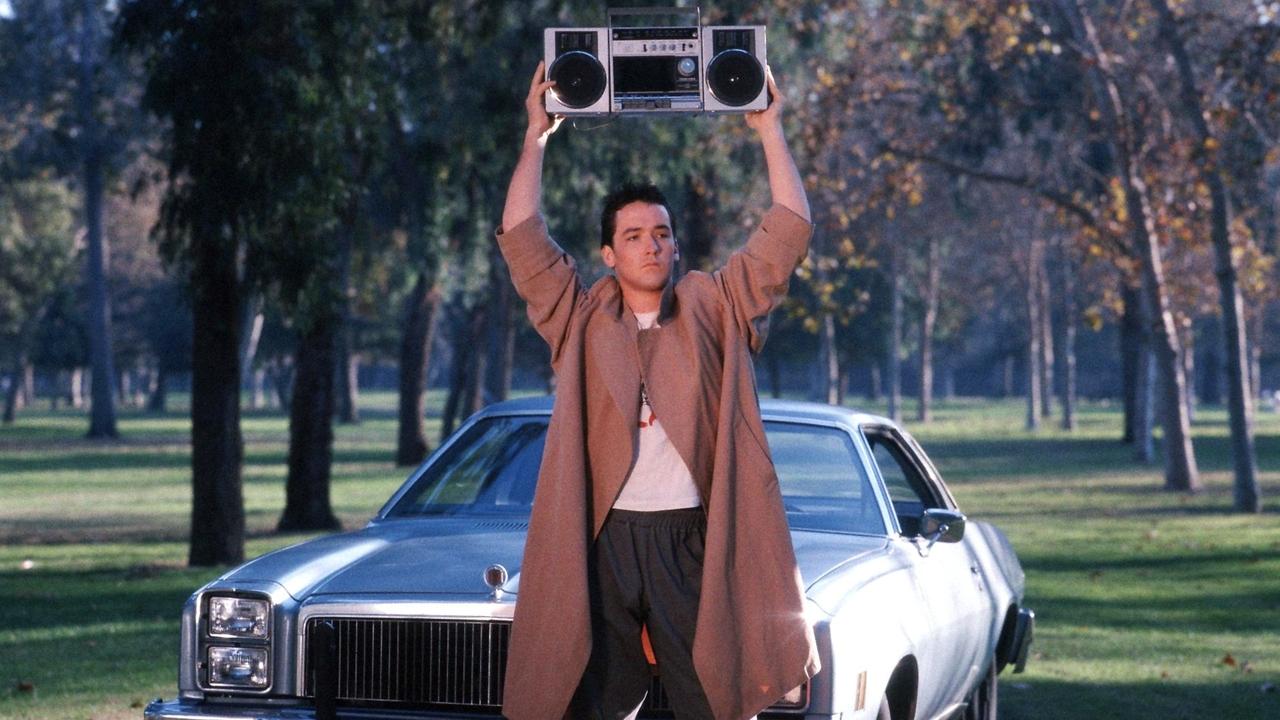
Romantic films are quoted more than any others, and the best-loved lines are usually simple. A woman reminds a bookseller that she is also just a girl. A man on a lawn holds a stereo above his head and lets a song speak for him. A princess, asked which city she liked best, forgets her diplomatic answer and names Rome. A weatherman, after living one day for what may have been years, tells the woman beside him that whatever happens tomorrow, he is happy now.
The screwball classics are quotable in a different way, for their speed. The exchanges of It Happened One Night and The Philadelphia Story fly past so quickly that a second viewing reveals jokes missed the first time. The modern conversation films are quotable for their honesty: the couple of Before Sunset say things to each other in the back of a car that most people only think.
What these moments share is plain speech at the point of greatest feeling. Writers of romance know that a grand declaration works only when it is short. The page for each film on this guide gives the director and the cast; the writers deserve a thought as well, since a love story is built from words long before the stars arrive.
What the 2020s have added
Twenty-seven films come from the present decade, and they show a genre in good health. Past Lives proved that a quiet, grown-up love story could still fill cinemas and collect nominations. CODA, best picture of its year, has a first romance woven through it. The Fall Guy put a love story at the centre of a big summer entertainment for the first time in years.
The streaming services have made the light romance a staple again. Love Hard, Upgraded, Your Place or Mine, The Royal Treatment, A Perfect Pairing, Love at First Sight and The Life List are all recent, bright and easy to like. Persuasion and Downton Abbey: A New Era wear period dress, In the Heights sings, and Voicemails for Isabelle, the newest film on the site, begins with a wrong number. The 2020s shelf holds them all.
The people behind the camera
Romance has its specialists, and following a writer or director is a reliable way through the catalogue. In the golden age the names are Frank Capra, who made It Happened One Night; Ernst Lubitsch, whose light touch shaped The Shop Around the Corner; George Cukor, who directed The Philadelphia Story and, a quarter of a century later, My Fair Lady; William Wyler of Roman Holiday; and Stanley Donen, who shared the direction of Singin' in the Rain and made Funny Face.
The modern genre was shaped by a handful of writers. Richard Curtis wrote Four Weddings and a Funeral and Notting Hill, and with them the idea of the charming, tongue-tied English hero. Nancy Meyers directed What Women Want and The Holiday, films as famous for their kitchens as for their couples. Nora Ephron's last film was Julie & Julia. Garry Marshall made Runaway Bride, Valentine's Day and The Princess Diaries 2: Royal Engagement, and John Hughes wrote both Pretty in Pink and Some Kind of Wonderful.
Richard Linklater's two conversation films stand apart, as does Rob Reiner's Flipped and Cameron Crowe's Say Anything.... Among newer names, Jon M. Chu directed both Crazy Rich Asians and In the Heights, and Celine Song's first feature was Past Lives. Typing a director's name into the search field gathers their films in a moment.
A note on screwball
The word is used often on this page, so a definition may help. Screwball comedy was a style of the 1930s and early 1940s in which a man and a woman of equal wit are thrown together and fight their way to love. The talk is fast, the situations are absurd, the heroine usually has the upper hand, and money or class stands between them. The name comes from a baseball pitch that swerves in an unexpected direction.
It Happened One Night set the pattern and The Philadelphia Story refined it. Its spirit runs through later films as different as Overboard, in which a carpenter persuades an heiress with amnesia that she is his wife, Working Girl, Hitch and The Fall Guy. Whenever a couple on screen insult each other with obvious enjoyment, screwball is somewhere in the family tree.
The style suits home viewing unusually well, because the dialogue rewards attention and the films are short: most run for little more than an hour and a half. For a viewer who believes that old films are slow, an evening with Clark Gable and Claudette Colbert is the quickest cure.
A love story for every season
The mood for romance changes with the calendar, and the catalogue has something for each part of the year. Spring suits fresh starts: Roman Holiday, Before Sunrise, Sing Street and Flipped. Summer belongs to holidays and music, to Mamma Mia!, Grease, The Sisterhood of the Traveling Pants and Monte Carlo.
Autumn is the season of New York and of scarves, of Serendipity, One Fine Day and Breakfast at Tiffany's, and of campus films such as Liberal Arts. Winter has the whole Christmas shelf, with The Holiday and While You Were Sleeping at its head, and Groundhog Day for the second of February. And for the fourteenth of that month there is Valentine's Day itself, which follows a dozen couples through a single day in Los Angeles.
A household that likes ritual might choose one film for each season and return to it yearly. Films watched this way gather memories of their own, of who was on the sofa and what was happening at the time, which is perhaps the truest sense in which a love story can last.
The friends, the families and the rivals
A romance has two leads, but its flavour often comes from the people around them. The flatmate of Notting Hill, who answers the door in his underwear to a street full of photographers, is as fondly remembered as the lovers. The four friends who share the weddings and the funeral of the title carry half of that film's feeling. The aunts, cousins and grandmother of My Big Fat Greek Wedding are the reason audiences returned to it again and again.
Parents matter more than the genre is given credit for. The father of Father of the Bride is the real hero of his daughter's wedding. The mothers of Crazy Rich Asians and Because I Said So drive their plots. In While You Were Sleeping the heroine falls in love with a whole family before she falls for one member of it, and The Family Stone is as much about brothers, sisters and a mother as about any couple.
Then there are the rivals, who exist to be gently defeated: the well-meaning fiancé, the glamorous other woman, the friend who should have spoken sooner. The kindest films give even these characters a good exit. Watch for the supporting cast on your next visit to a favourite; the names are on each film page, and many of them lead to other titles in the catalogue. A love story is seldom only about two people, and the films that last are those that fill the room around their couple with life, humour and good company for the viewer to enjoy.
One more habit is worth passing on. When a film ends and you find yourself smiling, look at who wrote and directed it before you close the page, and search for the name. Romance is a genre of repeat collaborators, and a writer who pleased you once will very probably do so again. A good half of the catalogue can be reached this way, one happy evening leading by a single search to the next, which is exactly how a guide of this kind is meant to be used.
A word about happy endings
The romantic film is sometimes teased for its endings, and it is true that most of the titles here close with a kiss, a wedding or a reunion. The better question is how the ending is earned. The couple of Groundhog Day reach theirs only after one of them has changed completely. The clerks of The Shop Around the Corner have to forgive each other for a year of quarrels. My Best Friend's Wedding ends with a dance instead of a triumph, and is the better for it.
A few of the finest films on the site end in a parting. Roman Holiday sends its princess back to her duty and its reporter out of the palace alone, with a memory each. Past Lives closes on a street corner. Before Sunrise ends at a station with a promise, and leaves the audience to wonder for nine years whether it was kept. These are happy endings of another kind, about what a brief meeting can give.
FliXanity includes both sorts, and leaves both unmarked in advance, since half the pleasure lies in finding out. What every film here shares is good faith: a belief that people are worth the trouble, and that being moved by a love story is one of the reasons cinema exists.
Using FliXanity
The header is slim and dark: the name with its red X, a search line that asks what you want to watch, and a round red-edged button for My List. A row of links beneath it leads to the main shelves. The home page opens on a wide collage of stills with a welcome block at the left and two buttons, one for the whole catalogue and one for the top-rated shelf. Then come eight rows of wide stills, each under a large heading; the stills slide sideways, and the heading itself opens the shelf.
Selecting a still opens the film's page, where the poster stands beside the title, the year, the running time and the star rating. The director and the leading actors are named beneath, with the genres and a short account of the plot. Two controls sit together: a country menu and the Watch now button, which hands you to JustWatch and its list of services for that country. A second button, Add to My List, keeps the film on a shortlist that is stored in your own browser; the round button in the header opens it, each entry can be removed with one press, and the list page will save a copy as a file if you want one. The My List page sets out the steps.
Seven evenings, seven kinds of love story
For a first week, take one film from each row. Begin with a classic, It Happened One Night, which is ninety years old and funnier than most new comedies. On the second evening choose a romantic comedy at full strength, Notting Hill. Give the third to a wedding, My Big Fat Greek Wedding, and the fourth to a first love, Flipped.
The fifth evening is for music: Singin' in the Rain. The sixth is for a romantic drama, Before Sunrise, and the seventh for the newest masterpiece on the site, Past Lives. By the end of the week you will have travelled from a night bus in 1934 to a New York pavement in the present day, and the rows on the home page will suggest the next seven.
Questions and answers
The questions below are those most often asked about FliXanity, with short answers. Fuller help is on the help pages named throughout this guide, including the how to watch page.
Questions
What is FliXanity?
FliXanity is a guide to 172 romantic films made between 1934 and 2026, each with its cast, its director and a Watch now button to official services.
How are the films sorted?
By kind: romantic comedies, romantic dramas, classics, weddings, first loves, Christmas, music and dance, and books, with further shelves by decade.
Which is the oldest film?
It Happened One Night, released in 1934. Twenty films in all were made before 1990.
Which films are rated highest?
Fifty-four films hold seven or more, led by The Shop Around the Corner, Singin' in the Rain and The Red Shoes.
Is the catalogue suitable for families?
Yes. The selection favours warm, good-natured love stories and leaves out explicit films.
Can I search by actor or director?
Yes. The search field accepts a title, an actor, a director or a year and shows results as you type.
How does My List work?
Press Add to My List on a film page. The shortlist lives in your browser, and the list page can save a copy as a file.
Does FliXanity host films?
FliXanity is a guide only. Every Watch now button opens JustWatch, which lists the official streaming, rental and purchase services for your country.
